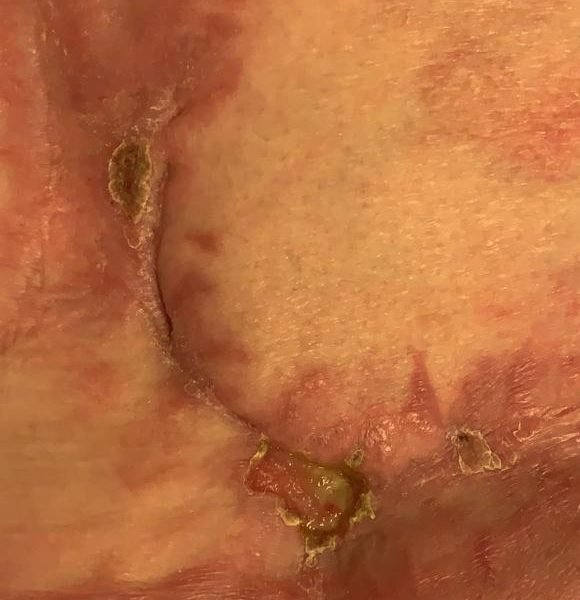
Is my tummy tuck scar healing normally?
Coming soon
A specialist service for wounds that open, stay infected, or heal slowly after cosmetic or other surgery. Led by plastic surgeon Dr Sanjay Parashar, using careful assessment, advanced dressings and regenerative techniques.
Timings vary with the operation, your health and how the wound was closed. These ranges describe a typical clean incision.
Bleeding stops and a clot seals the wound edges.
Mild redness, warmth and swelling are expected as the body clears debris.
New tissue fills the wound and the edges knit together.
The scar strengthens, flattens and fades over many months.
When to get it checked: if a wound has not clearly improved within two weeks, opens up, or starts getting worse after it was getting better, it needs a specialist assessment.
Go to the nearest emergency department or call 999. Do not wait for an online reply.
Every plan starts with an in-person examination. Depending on what we find, treatment may combine several of these.
Examination, measurement and photography, with swabs or scans when infection or a collection is suspected.
Gentle removal of dead or infected tissue so healthy tissue can grow.
Dressings chosen for the wound's moisture, depth and infection risk, with a clear change schedule.
A sealed dressing with gentle suction to draw fluid away and help deeper wounds close.
Options such as platelet-rich plasma (PRP) or fat grafting, where suitable, to support tissue repair.
Surgical closure or scar revision once the wound is clean, followed by scar management.
A photo, the operation you had and its date. Your original surgeon's notes help if you have them.
We examine the wound in person and explain the cause and the plan.
Dressings, procedures or regenerative treatment, with visits spaced to the wound's needs.
Reviews until the wound is closed, then scar care so the result settles well.
Each case shows the wound at first visit, the treatment used and the healed result. Each patient was treated by Dr Sanjay and his team of assistant plastic surgeons and specialist wound care nurses. Shared with the patient's written consent.
This patient had a tummy tuck (abdominoplasty) overseas and stopped in Dubai on her way home to see Dr Sanjay and his team. At day 7 the lower part of the wound had broken down. The diagnosis was fat necrosis in the deeper layer.
Treatment was minimal debridement in the clinic, followed by negative pressure wound therapy (VAC)[1,2]. Within 2 weeks the wound had filled with healthy granulation tissue, and she flew home with a small portable PICO dressing. The wound was healed at 4 weeks.
This approach avoided extensive debridement and secondary suturing, which usually leave a worse scar.
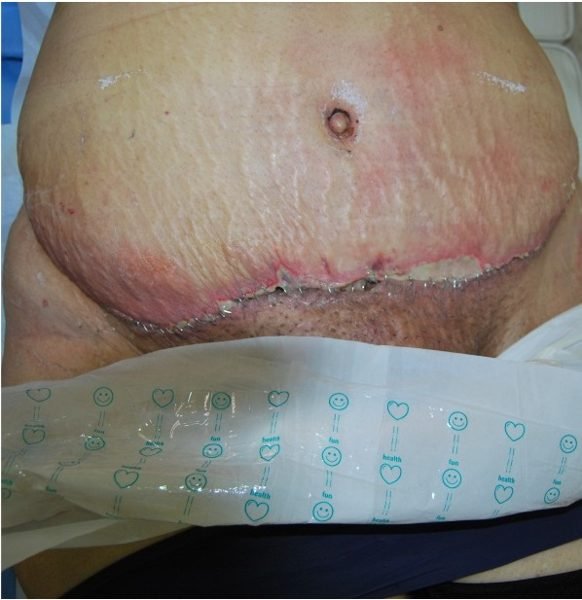
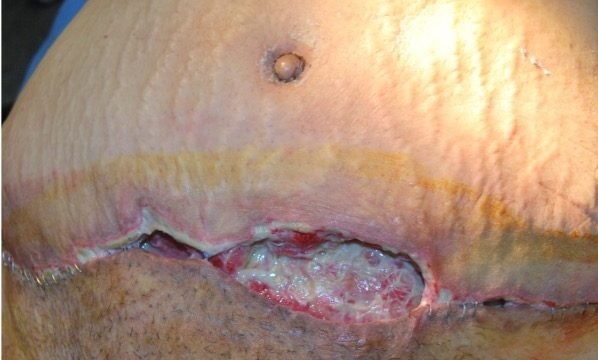

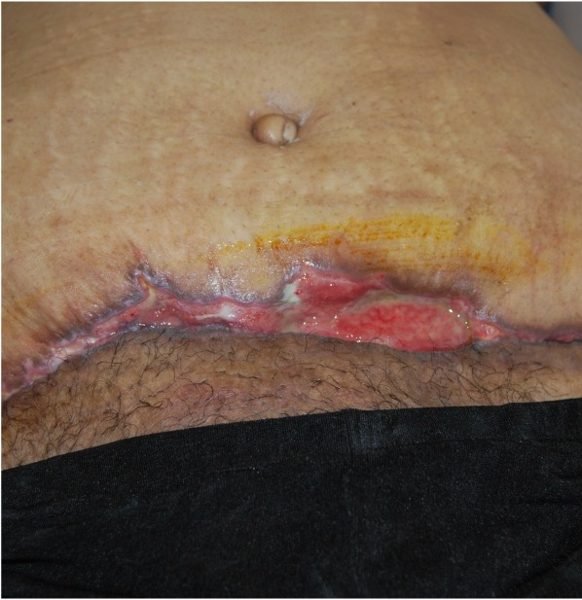

These photos show open wounds.
The same patient had also had an arm lift (brachioplasty) overseas, and the arm wound started to gape open along the incision. Wound gaping, or dehiscence, after an arm lift is often linked to tension across the armpit and reduced blood supply at the wound edges.
Dr Sanjay and his team performed minimal debridement in the Dubai clinic and started negative pressure wound therapy (VAC). The wound healed in 4 weeks.
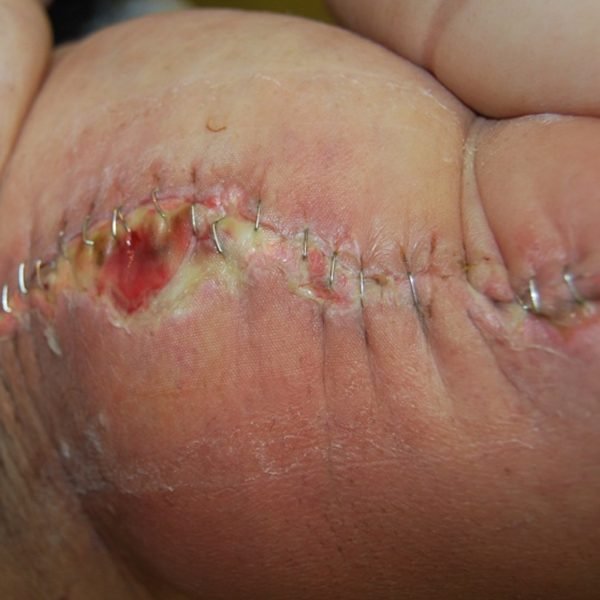
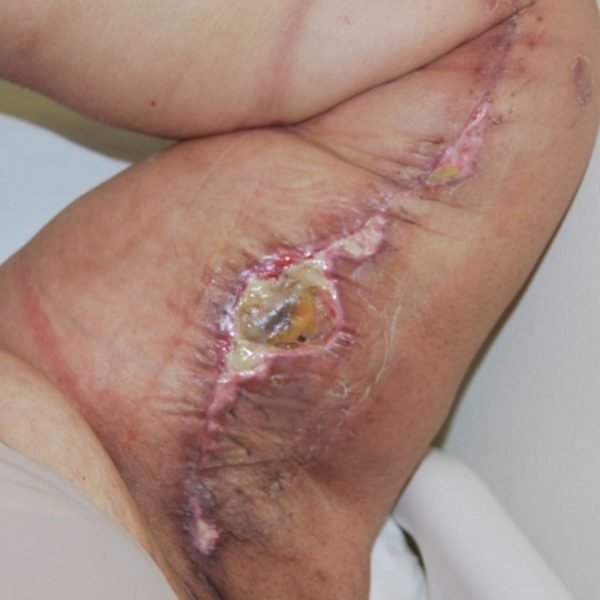
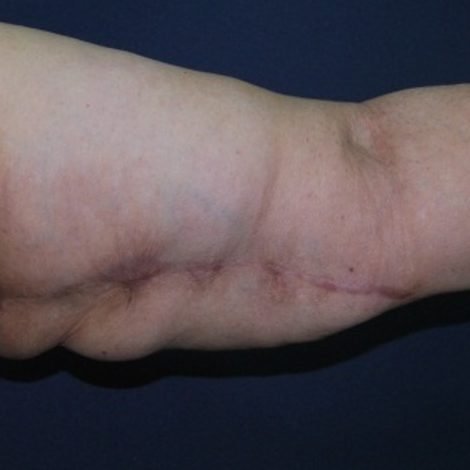
These photos show open wounds.
This young patient had a face and neck lift in Dubai. Within 24 hours she noticed the skin turning black on the left side of her neck and behind her ear, and the wound then began to slough. She came to Dr Sanjay and his team 14 days after surgery with a non-healing wound and a high risk of a severe scar.
Dr Sanjay and his team chose conservative treatment: hyperbaric oxygen therapy (HBOT), simple wound dressings and platelet-rich plasma (PRP) sessions. The wound healed completely in 8 weeks, without further surgery.
She is now having scar treatment with PRP and fractional CO2 laser to improve the final scar.
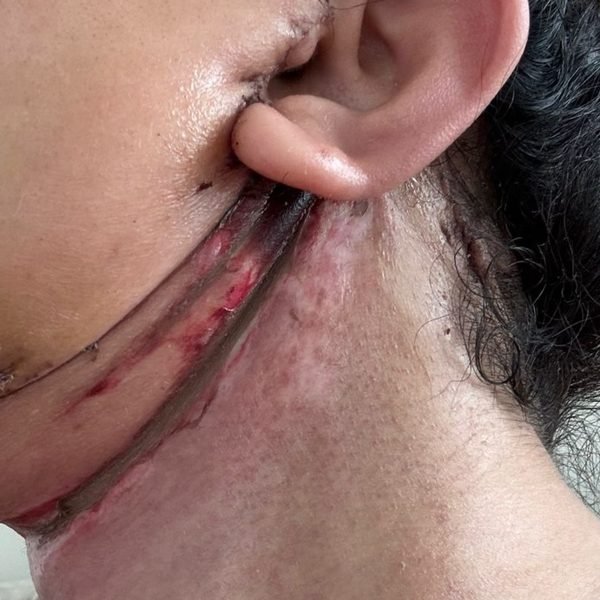
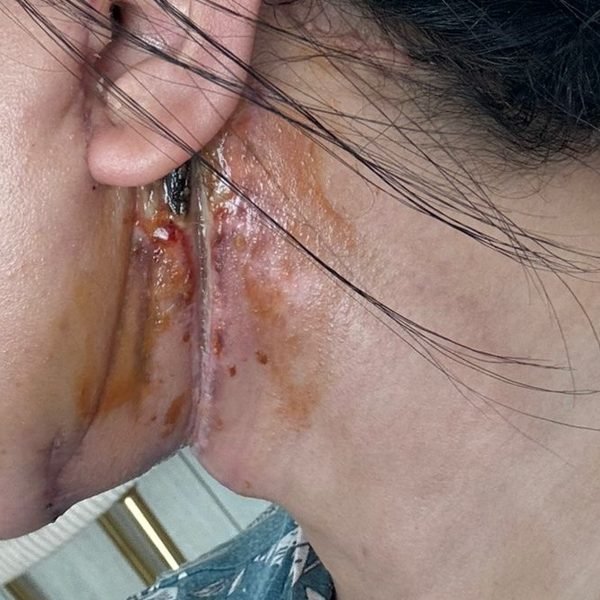
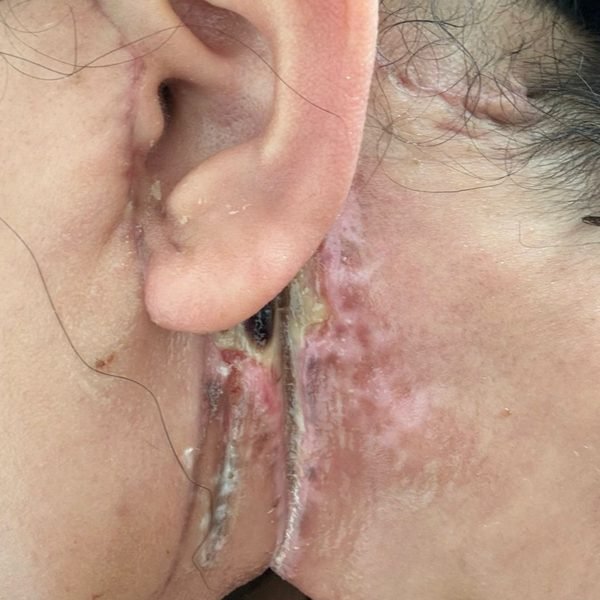
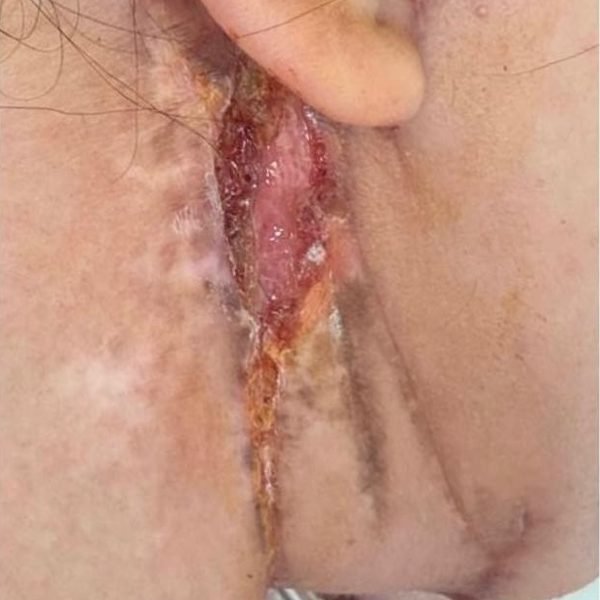
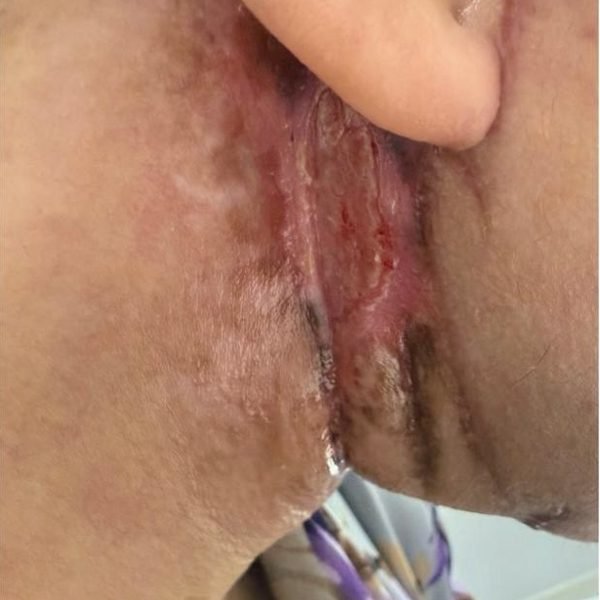
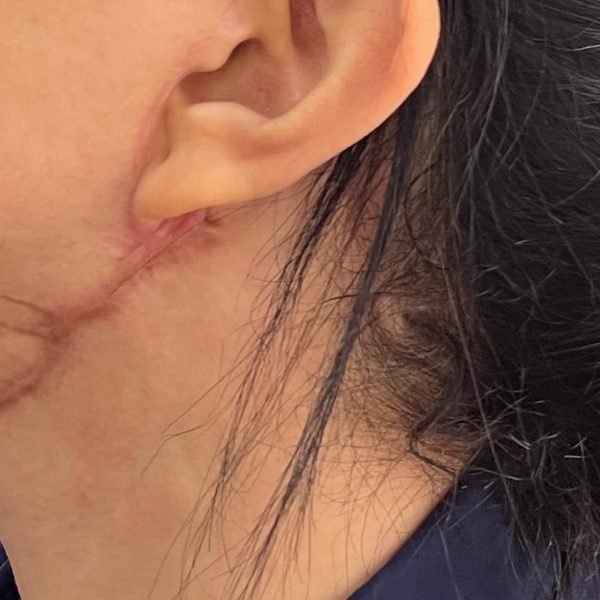
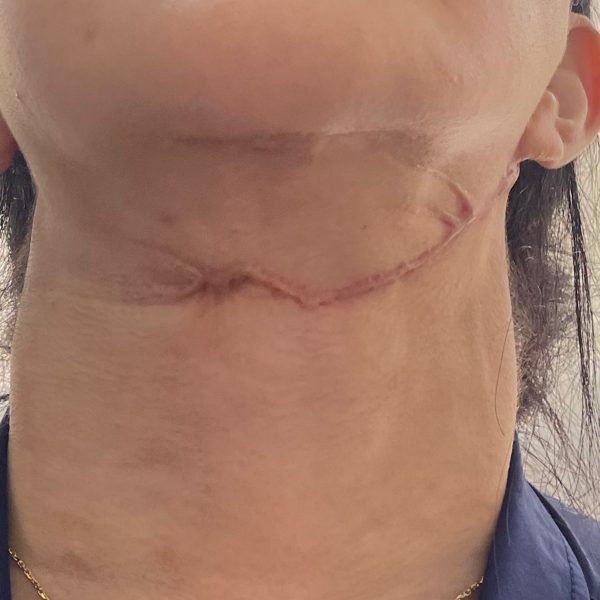
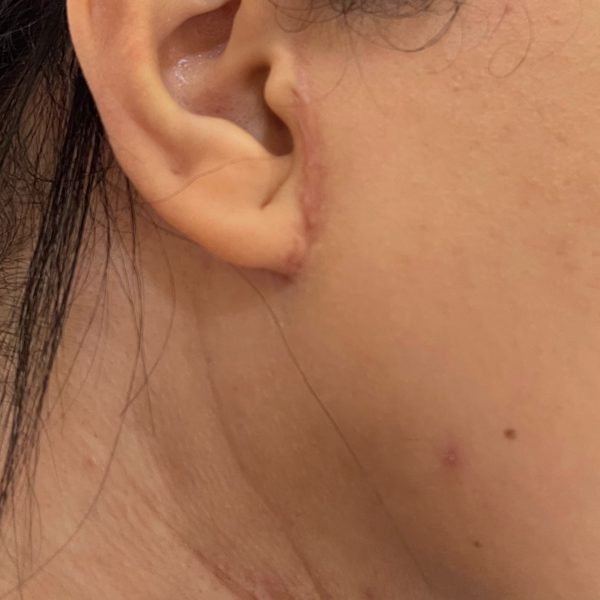
These photos show open wounds.
This patient had a tummy tuck (abdominoplasty) at another clinic. One week later she had a fall, and the skin below her belly button turned completely black. The necrotic skin was debrided, but the wound was not healing, and she came to Dr Sanjay and his team with her family for advice.
Dr Sanjay and his team first assessed her overall health and found mild diabetes, low iron and low protein, all of which slow wound healing. They corrected her nutrition and started VAC therapy in the clinic, changing the dressing after 48 hours.
Because the abdominal flap was healthy and mobile, Dr Sanjay and his surgical team then advanced it in the operating theatre under light anaesthesia (laryngeal mask and local infiltration), placed anchoring sutures without closing the wound completely, and reapplied VAC. After two more VAC dressings the wound was almost fully closed, and she went back to work.
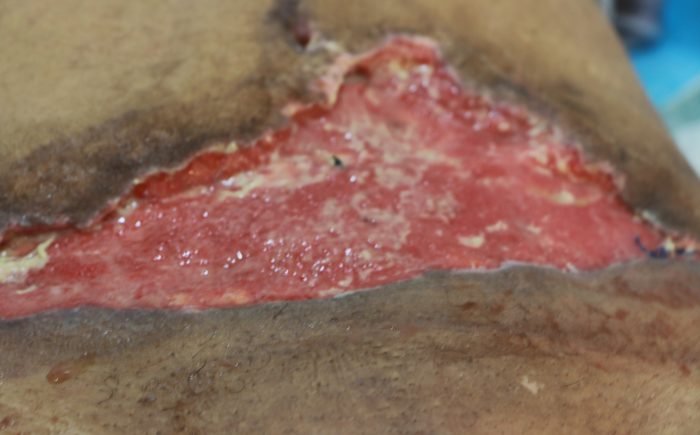
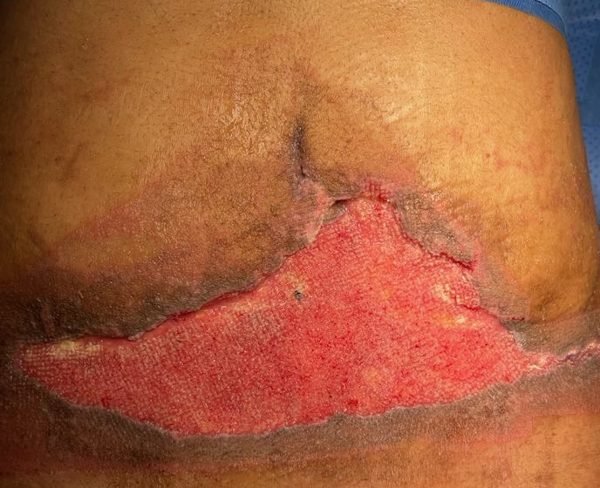
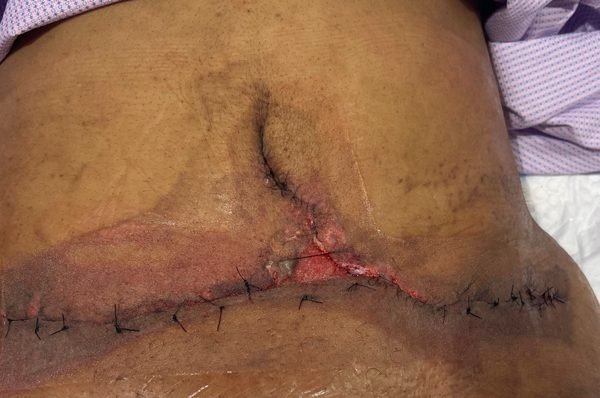
These photos show open wounds.
This young patient had arm lifts (bilateral brachioplasty) and thigh lifts (thighplasty) in another country. Within 48 hours she became unwell and her haemoglobin began to fall. She had developed necrotising fasciitis, a rapidly spreading infection often called “flesh-eating bacteria”. She was admitted to intensive care with septic shock and needed multiple IV antibiotics, blood transfusions and several wound debridements, which left large open wounds on her arms and thighs.
When she was brought to Dubai her vital signs were stable but her haemoglobin was still low. Dr Sanjay and his team admitted her, gave a blood transfusion and examined the wounds in the operating theatre. They judged the wounds clean and ready to be closed straight away. She had been advised to have skin grafts, but grafts would have meant new wounds and new scars at the donor sites.
“In reconstructive surgery we often rob Peter to pay Paul. Here we enriched Paul to pay for himself.” Dr Sanjay Parashar
Under light anaesthesia (laryngeal mask and local infiltration), the team gently mobilised the surrounding skin, placed anchoring sutures and applied VAC therapy. Together, the internal and external anchorage let the surrounding skin stretch and advance over the wounds, using the skin's natural ability to "creep" under steady tension, the same principle behind tissue expansion[7,8,9,10]. At 48 hours the wounds were checked, she felt better, and the VAC was reapplied before she went home, after only 2 days in hospital. When this second VAC dressing was removed 5 days later, one week after the operation, the wound edges had started to come together. She went back to work and is now on a scar treatment programme.
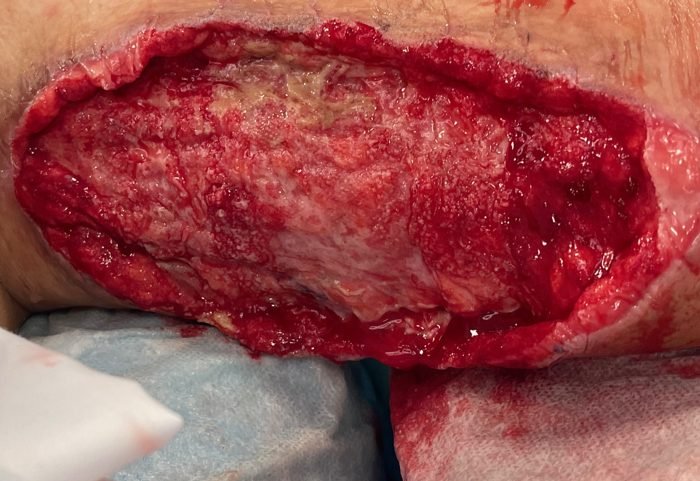
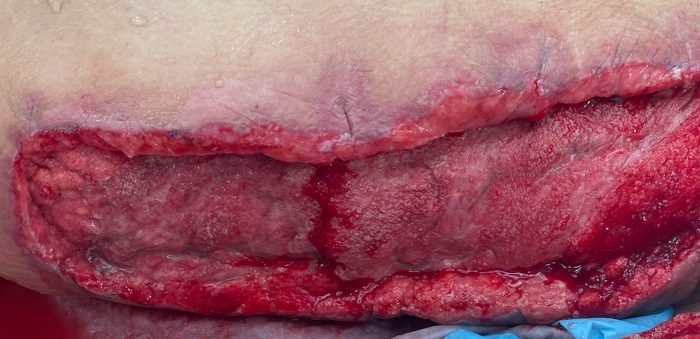
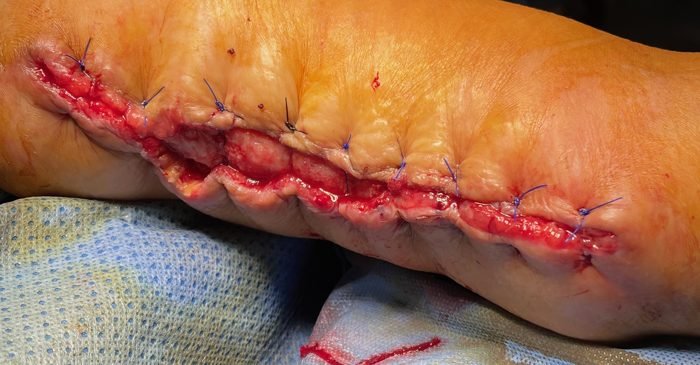
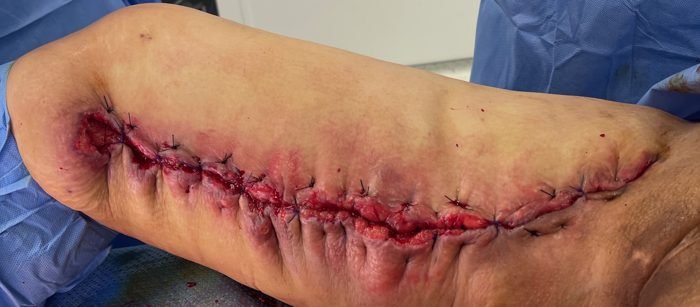
These photos show open wounds.
This patient had a breast reduction at another clinic and developed a discharging wound below the nipple and areola. She had been given a 7-day course of oral antibiotics, which upset her stomach, but the wound kept discharging. She came to Dr Sanjay and his team for advice and treatment.
The cause was not infection. Several deep suture knots had caused suture granulomas, a reaction of the body to buried stitches. The team cleaned the wound with saline, removed the suture knots and stopped her oral antibiotics, since they were not treating the cause. Five days later the wound had healed well.
Not every discharging wound after surgery needs antibiotics. Finding the real cause can be quicker and gentler for the patient.
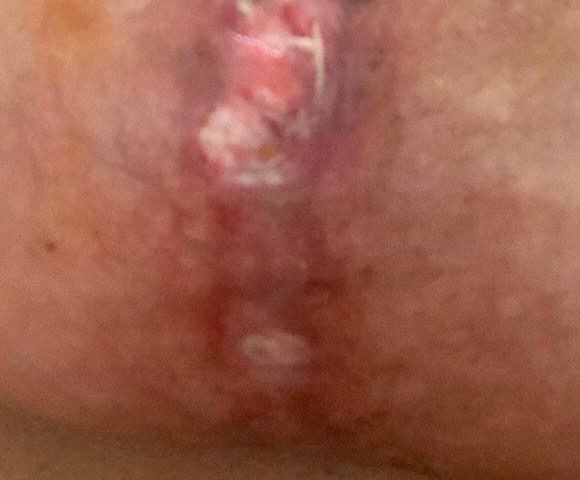
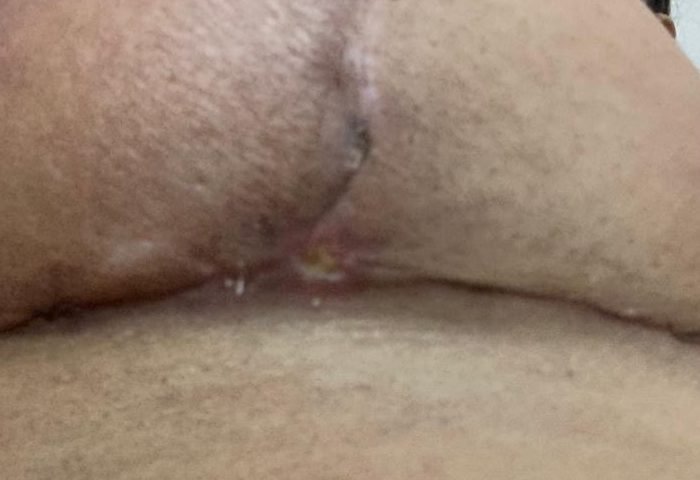
These photos show open wounds.
This young patient had a breast reduction at another clinic. Within 48 hours she noticed the nipple and areola turning black. She had been advised to have the dead tissue removed and the nipple-areola complex rebuilt with a skin graft, and came to Dr Sanjay and his team with her family for a second opinion.
Dr Sanjay followed three principles of wound healing:
Instead of surgery, the team used silver sulfadiazine dressings, changed only every 48 hours. After 7 days the eschar began to separate on its own and new skin was forming underneath. The wound was then treated with PRP dressings and PRP injections around the edges. By 8 weeks the nipple and areola had regenerated significantly. Some colour (pigment) was lost, and she was reassured that this can recover gradually with time.
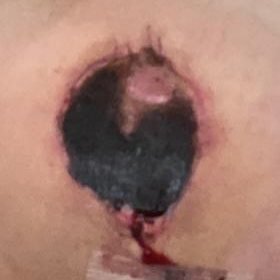
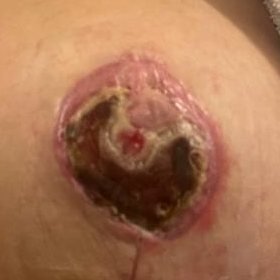
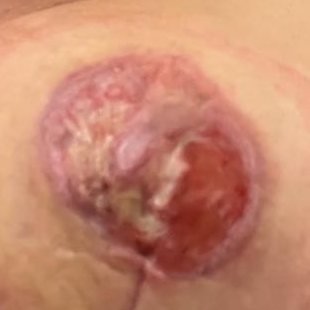
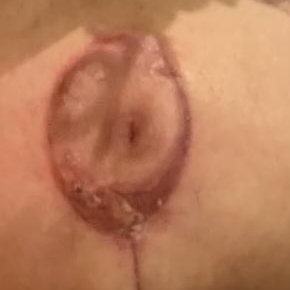
These photos show open wounds.
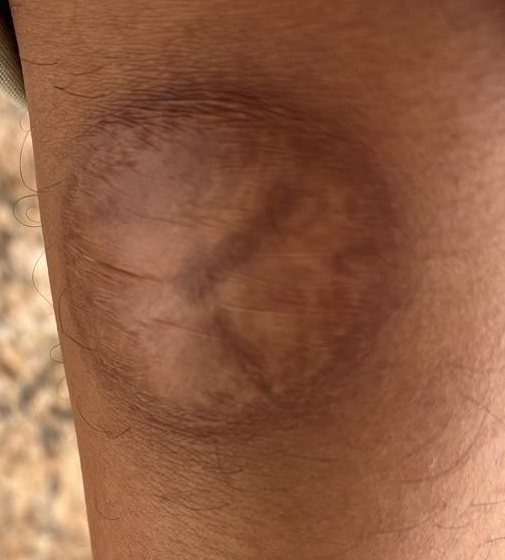
This case was treated by the team's dermatologist during the COVID-19 period. A young woman had a cautery burn on her shin after another operation. A local clinic was treating it with regular dressings, which were painful, and the wound was not healing. She contacted the team's dermatologist online for advice.
The dermatologist advised her to leave the wound uncovered, wipe it gently with saline and apply an antibiotic ointment several times a day. By day 7 the wound had turned pink with healthy granulation tissue. The ointment was then reduced to once a day so that a natural scab (eschar) could form. The scab was checked regularly on photos for any sign of inflammation or infection, and since there was none, it was left alone.
After 12 weeks she sent a photo of the wound completely healed, with a good-quality scar despite full-thickness skin loss. The new skin regenerated its surface layer, collagen and oil glands. Dr Sanjay describes this as a partially dysfunctional scar, as opposed to a hypertrophic scar, which is non-functional. It shows the healing power of the body's own stem cells when a wound is understood and protected.
This man suffered a blast injury overseas that left extensive wounds on his back. He had already been through a colostomy and several operations, including flap reconstruction, and had partial paralysis of the legs. After moving to Dubai he was referred to Dr Sanjay and his team.
He was paying for his own treatment without insurance, so the team planned care that could be given as an outpatient wherever possible. After a thorough examination, they started VAC therapy with minimal debridement in the clinic. Over 6 weeks of VAC dressings the wound and the surrounding skin improved steadily.
To speed up healing, he was admitted for a short procedure: a small rotation flap under local infiltration anaesthesia, which reduces bleeding and the risk of a haematoma. Internal anchoring sutures held the skin, and a modified VAC dressing encouraged the surrounding skin to move over the wound. The approach relies on creeping substitution, where healthy living tissue gradually replaces damaged tissue, a principle first described in bone healing[11] and seen in skin as "creep", the gradual stretching and growth of skin under steady tension that underlies tissue expansion[7,8,9]. It also aims to stimulate the body's own repair cells: VAC therapy has been shown to draw progenitor (stem) cells into healing[4,5,6], and skin and fat naturally contain multipotent repair cells such as Muse cells[12]. The wound healed completely in 8 to 10 weeks.
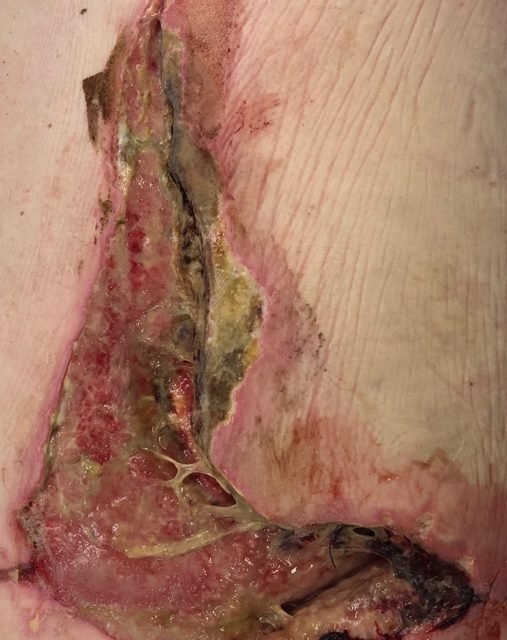
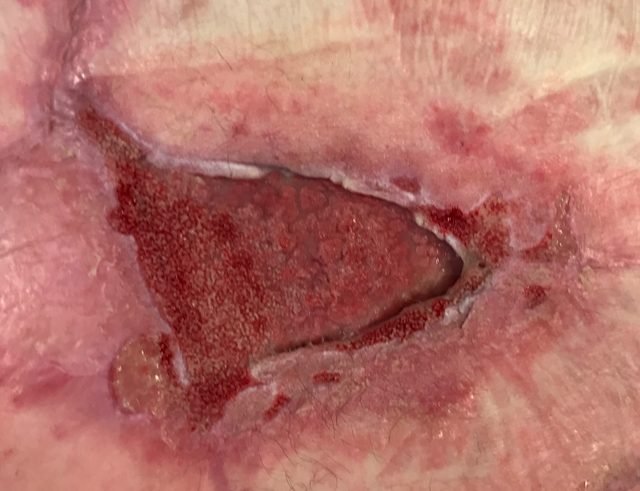
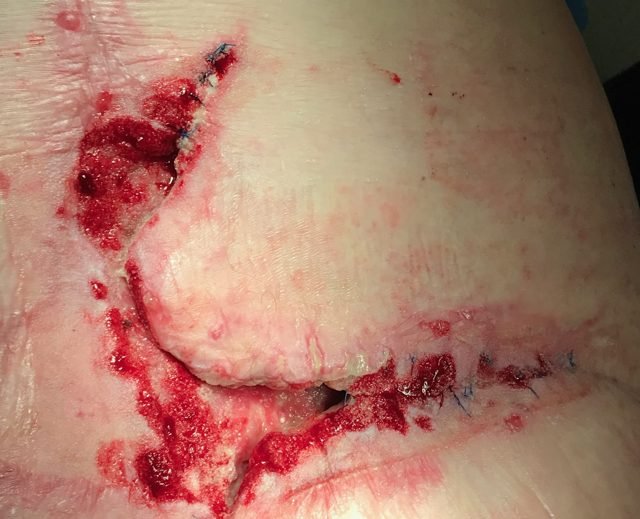
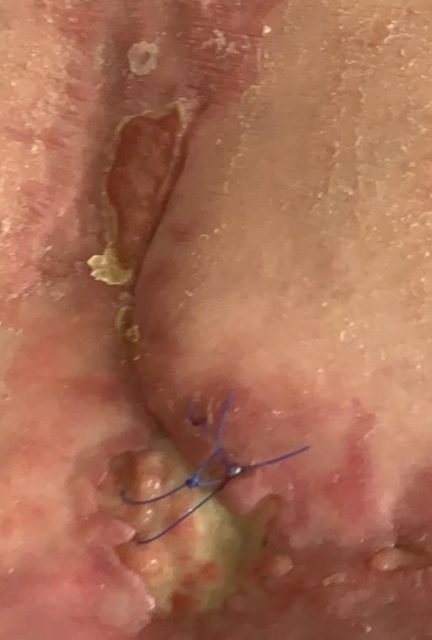
These photos show open wounds.
Send us your photos to find out whether your wound can be treated the same way.
Practical articles for patients recovering from surgery.
Wound dehiscence is when a surgical wound partly or fully opens along the incision. After cosmetic surgery it happens most often after tummy tucks, arm lifts and breast surgery. Common causes are infection, fat necrosis, tension on the wound and smoking.
Small, superficial openings can happen and often heal with dressings. But any opening, discharge or worsening should be checked by a specialist, ideally within days.
VAC therapy, also called negative pressure wound therapy (NPWT), uses a sealed foam dressing connected to a small pump that applies gentle suction. It removes fluid, reduces swelling and encourages healthy granulation tissue, which helps deep wounds close. Portable versions such as PICO let patients go home or travel. Laboratory and clinical studies show that the gentle suction stretches cells at a microscopic level, which stimulates cell growth and new blood vessels[1,2,3], and that it can draw the body's own progenitor (stem) cells into the healing process[4,5,6].
Yes. Dr Sanjay's team at Dubai London Hospital sees patients who had surgery in other countries, including patients transiting through Dubai. Send photos and your operation details on WhatsApp for a first review.
It depends on the wound's size, depth and cause. In the two cases shown on this page, the tummy tuck wound and the arm lift wound each healed in about 4 weeks.
In HBOT, the patient breathes pure oxygen inside a pressurised chamber. This raises oxygen levels in the tissues, which can help wounds with poor blood supply, such as skin necrosis after a facelift, to heal.
Necrotising fasciitis is a rare but life-threatening infection, often called “flesh-eating bacteria”, that spreads quickly along the tissue layers under the skin. It needs emergency antibiotics and surgery. Once the infection is controlled, the remaining wounds can often be closed with specialist wound care, as in one of the cases on this page.
Common reasons include diabetes, low protein, low iron or anaemia, smoking, infection, poor blood supply and pressure or tension on the wound. Correcting these is often as important as the dressing itself.
A common cause is a suture granuloma, where the body reacts to a buried stitch or knot and pushes it out through the scar. Antibiotics do not fix this. Removing the stitch usually lets the wound heal within days.
Sometimes, yes. If the black scab (eschar) is dry and there is no surrounding infection, it can protect the tissue underneath while the area heals from its own stem cells. With careful dressings and, where suitable, PRP, the nipple and areola can regenerate without a skin graft. It must be assessed by a specialist, because an infected or wet eschar needs different treatment.
Yes. Send clear photos and a short description on WhatsApp. The team can review them and, in some cases, guide care remotely, as in the shin burn case on this page. Most wounds still need an in-person examination to confirm the plan.
Often, yes. If the surrounding skin is healthy, it can be gently mobilised and held with anchoring sutures while VAC therapy helps it advance over the wound. This avoids the extra wound and scar that a skin graft donor site creates. Whether it is possible depends on the wound and is decided after examination.
Published studies behind the treatment principles described on this page.
 Your doctor and team
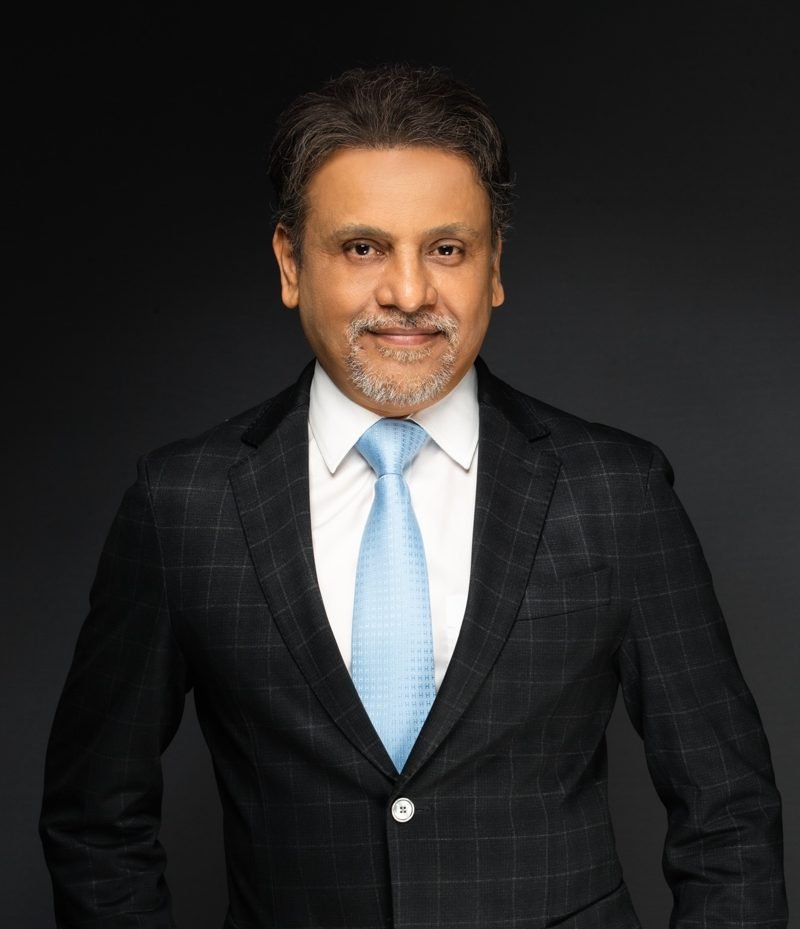
Plastic and aesthetic surgeon practising in Dubai since 2005, with training in reconstructive and craniomaxillofacial surgery.
Dr Sanjay has spent more than three decades in reconstructive and aesthetic surgery, from trauma reconstruction to body contouring. That experience covers the operations whose wound problems this service treats, and the techniques used to repair them. He leads a team of assistant plastic surgeons, specialist wound care nurses and a dermatologist, who share in each patient's care.
Fill in the form and send it to us on WhatsApp. Please send photos in the WhatsApp chat afterwards. We reply during clinic hours.
A clear photo helps the doctor understand your wound before your visit.
An online message cannot replace an examination. For urgent symptoms, go to the emergency department.